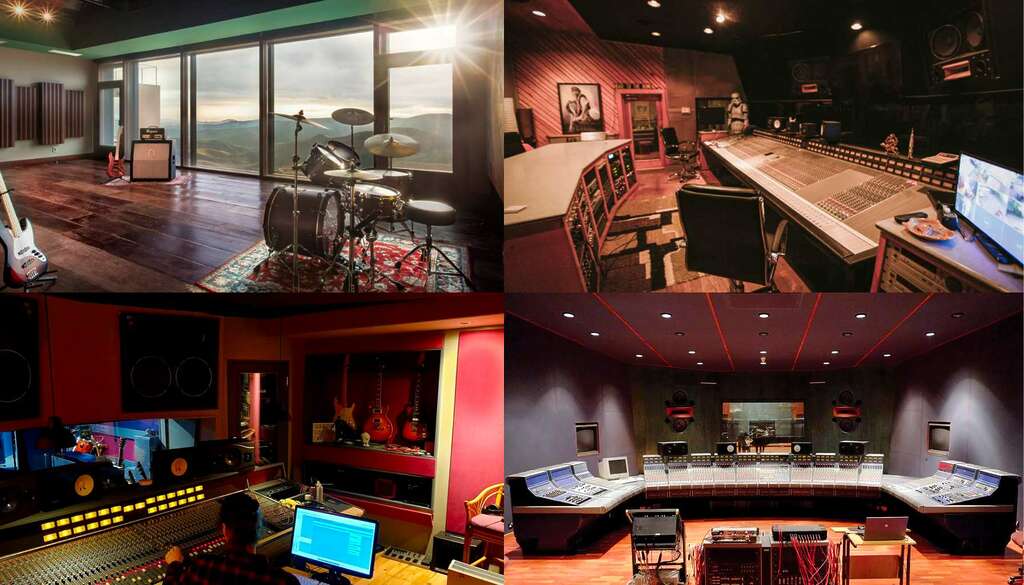
What Are the Best Recording Studios in New Orleans?
Few cities carry as much musical weight as the Crescent City, and the best recording studios in New Orleans sit at the center of a tradition that runs from early jazz through funk, R&B, brass band, bounce and gospel. The rooms here aren’t generic project spaces bolted onto a strip mall — many are converted churches, dance halls and shotgun houses, tuned by engineers who grew up inside the local sound. Whether you’re a touring act chasing that unmistakable Louisiana feel or a local artist tracking your first EP, the New Orleans recording studios below cover the full range from world-class orchestral halls to specialist heritage rooms.
This guide focuses on real, currently operating facilities and the work they’re actually known for. We’ve kept it honest: every studio listed is verified as active, and we describe what each room genuinely does well rather than pushing a sales pitch. If you’re hunting for the best recording studios for a big band session, a hip-hop record or a stripped-back acoustic project, you’ll find a clear fit here — plus a couple of legendary destination music studios in New Orleans‘ wider orbit that are worth the drive. Looking for the right studio in New Orleans for your budget and genre starts with knowing what each one is built for.
Table of Contents
- 1. Esplanade Studios — Treme
- 2. The Parlor Recording Studio — Irish Channel
- 3. The Music Shed — Lower Garden District
- 4. Marigny Studios — Faubourg Marigny
- 5. Word of Mouth Studios — West Bank / Algiers
- 6. Studio in the Country — Bogalusa
- 7. Dockside Studio — Maurice (Cajun Country)
- Frequently Asked Questions
1. Esplanade Studios — Treme
Best Known For: Louisiana’s largest recording room — a restored 1920s church built for full orchestras, choirs and large-format sessions.
Esplanade Studios occupies a 14,000-square-foot former Gothic-revival church on Esplanade Avenue in the historic Treme neighborhood, which sat vacant after Hurricane Katrina until founder Misha Kachkachishvili reopened it as a studio in 2013. Studio A’s “live” room runs roughly 3,400 square feet under 30-foot ceilings and can accommodate up to a 70-piece orchestra, with the former choir loft converted into a sizable control room. It’s a serious destination for music, film and television scoring work that simply needs space and natural acoustics most rooms can’t offer.
The client list reflects that scale: Trombone Shorty, John Legend and Kendrick Lamar have passed through, and Snarky Puppy recorded their Family Dinner — Volume Two there. For orchestral, gospel-choir, brass and large-ensemble sessions, Esplanade is the most ambitious room in the city.
2. The Parlor Recording Studio — Irish Channel
Best Known For: A large-format analog room built around a vintage Neve 8078 console with Flying Faders and a live echo chamber.
Located in the Irish Channel neighborhood of uptown New Orleans, The Parlor was conceived as a true big-console studio for the city, centered on an all-discrete Neve 8078 — one of the most coveted desks in the analog world. The room pairs generous, acoustically isolated tracking spaces with a live echo chamber, and runs analog tape alongside Pro Tools HDX for hybrid sessions. It’s the kind of place engineers seek out specifically for the sound of that console.
Notable artists who have recorded at The Parlor include Robert Plant, PJ Morton and Arcade Fire. (The studio has changed ownership in recent years, so confirm current rates and availability directly.) If you want classic large-format analog character for rock, soul or full-band tracking, this is a marquee New Orleans option.
3. The Music Shed — Lower Garden District
Best Known For: A Grammy-recognized full-service room and “music incubator” handling tracking, mixing, mastering, ADR and rehearsal under one roof.
The Music Shed sits on Euterpe Street in the Lower Garden District and was opened in 2004 by musician-engineer Chris Bailey and Betsy Alquist, who envisioned a one-stop creative hub for New Orleans artists rather than just a tracking room. It started as a rehearsal facility and grew into a professional studio offering tracking, editing, mixing, mastering, ADR and rehearsal space, with a comfortable vibe that’s become a draw for both locals and visiting acts.
Over the years the room has hosted a wide range of artists including The Cure, R.E.M. and the late Dr. John. For artists who want a single, professionally run space that can carry a project from first take to final master, The Music Shed is one of the most flexible studios in the city.
4. Marigny Studios — Faubourg Marigny
Best Known For: A multi-room facility inside the historically repurposed Luthjen’s Dance Hall in the heart of the Marigny.
Marigny Studios is a full multi-room, multi-track facility on Marigny Street in the Faubourg Marigny district, housed in the 1950s-era Luthjen’s Dance Hall — a building with its own deep local music history. The studio offers music production and engineering alongside voice-over recording and special-events services, and it’s listed as actively operating with long daily hours, making it a practical choice for sessions that need scheduling flexibility.
The multi-room layout suits everything from band tracking to overdubs and post work, and its location just downriver from the French Quarter keeps it close to the city’s working musician scene. For artists who want a versatile, centrally located New Orleans room with a genuine neighborhood pedigree, Marigny Studios is a strong fit.
5. Word of Mouth Studios — West Bank / Algiers
Best Known For: A specialist in authentic New Orleans jazz, R&B, funk, Latin, gospel and brass-band recording.
Across the river on the West Bank, Word of Mouth Studios is run by engineer Tim Stambaugh and has built a reputation over two decades specifically around the genres that define the city: New Orleans jazz, R&B, funk, Latin, gospel and brass band. That focus matters — capturing a brass section, a second-line groove or a gospel ensemble takes engineering instincts you don’t get in a generic pop room.
This is the kind of studio you choose when the New Orleans sound itself is the goal rather than an afterthought, and when you want someone behind the desk who understands how these traditional ensembles are supposed to feel on tape. For roots-oriented and heritage genres, Word of Mouth is a deliberate, specialist pick.
6. Studio in the Country — Bogalusa
Best Known For: A legendary 1972 destination studio on a wooded estate, now owned and revived by New Orleans artist PJ Morton.
Studio in the Country sits on a pine-forested estate near Bogalusa, roughly an hour-plus northeast of New Orleans, so it’s a destination rather than a quick in-town booking — but its legacy earns the trip. Operating since 1972, it has hosted multi-platinum work over the decades, including classic Kansas albums Leftoverture and Point of Know Return, recorded, partially recorded or mixed on site.
Grammy-winning New Orleans artist PJ Morton purchased the studio around 2022–2023 and has been rekindling its reputation, using it to record his own projects including Watch the Sun. For artists who want immersive, away-from-the-city residential-style sessions with serious history, Studio in the Country is the regional crown jewel.
7. Dockside Studio — Maurice (Cajun Country)
Best Known For: A bayou-side residential studio on a 12-acre estate that has recorded everyone from Dr. John to B.B. King.
Dockside Studio is the furthest afield on this list — set on a 12-acre estate on the banks of Vermilion Bayou in Maurice, deep in Cajun country roughly two hours west of New Orleans — but it’s a fixture of Louisiana’s recording heritage. Over more than 30 years it has drawn an extraordinary roster, from New Orleans legend Dr. John to Rod Stewart and B.B. King, and it remains active with new records still being made there.
The residential setup, where artists can move in and live with a project, makes it ideal for albums that benefit from total immersion away from city distractions. If you’re planning a focused, multi-day record and the Louisiana setting is part of the appeal, Dockside is well worth the drive from New Orleans.
Frequently Asked Questions
How much do recording studios in New Orleans cost?
Rates vary widely depending on the room, the gear, whether an engineer is included and how long you book. Large-format analog or orchestral rooms command more than smaller project spaces, and many studios offer day rates, block rates or package pricing. Most New Orleans studios don’t publish fixed prices publicly because they change often, so the only reliable approach is to contact each studio directly with your project details and ask for a quote.
Which New Orleans studio is best for beginners?
Newer artists are usually best served by a full-service room with an in-house engineer who can guide the session — a place like The Music Shed or Marigny Studios, where tracking, mixing and mastering can all happen under one roof. You don’t need a 70-piece orchestral hall for a first single; you need a comfortable space and an engineer who’ll help you get a clean, usable recording.
What’s the best studio in New Orleans for hip-hop or rock?
For rock and full-band tracking, large-format analog rooms like The Parlor (built around its Neve console) and the orchestral scale of Esplanade are strong choices. For hip-hop and R&B, a flexible production-focused room such as Marigny Studios works well, while heritage genres like funk, brass and gospel are exactly what Word of Mouth specializes in. Match the room to your genre rather than just chasing the biggest name.
Do you need to be signed to book a recording studio in New Orleans?
No. New Orleans recording studios are open to independent and unsigned artists — you book studio time directly, the same as any professional client. You don’t need a label, a manager or industry connections; you need a clear plan for your session and a budget. Many of the city’s rooms regularly work with local and independent musicians.
What is the most famous recording studio in New Orleans?
Among currently operating rooms, Esplanade Studios is the most prominent inside the city itself — Louisiana’s largest studio, set in a restored church, with credits including John Legend, Kendrick Lamar and Snarky Puppy. In the wider region, Studio in the Country near Bogalusa carries arguably the deepest historical legacy thanks to its 1970s classic-rock sessions and its current ownership by PJ Morton.
Written by Alex Tarlescu for Get More Streams. Studio details reflect publicly available information as of 2026; availability, services, and ownership can change, so confirm directly with each studio before booking.