
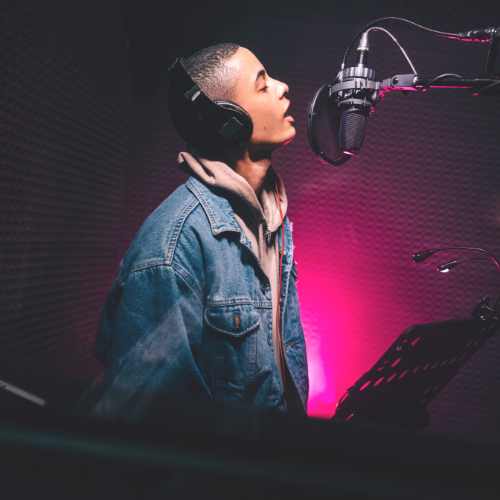
When the velvet curtain of silence parts, and the first note of a vocal performance shimmers through the air, there is a collective breath-hold. Clarity and warmth in a vocal track are like the scent of old books—intoxicating, evoking nostalgia, yet crisp with the promise of a new story. Therein lies the magic of vocal recording: a seesaw of precise articulation and the intimate glow that makes a voice leap out of speakers, wrap around your soul, and ferry you to auditory bliss.
The Importance of Clarity and Warmth in Vocals
Clarity in vocals is the audio equivalent of an artist painting with an ultra-fine brush—it’s about capturing every nuance and inflection, ensuring words don’t just drop to the ears but resonate with them. Warmth, on the other hand, is the sonic hug that holds you tight and refuses to let go. It’s the rumble of a fireplace in a log cabin—a depth and richness that says “home” even if you’re miles away.
Together, these attributes craft a listening experience intertwined with emotion and comprehension, allowing listeners to feel the message deep in their marrow rather than just dancing around the fringes of audibility.
Overview of Recording Techniques

Delving into the archives of vocal recording, one finds a fascinating history, a journey of technological conquests that includes everything from wax cylinders to ribbon microphones. Technological advancements have carried us from the era of rudimentary captures to a world where the fidelity of a studio recording could make you swear the vocalist was whispering secrets just for you. This evolution has not only transformed the way we experience sound but has also redefined the creative process itself, offering artists unprecedented tools to craft and refine their work. Recording studios for musicians have become sanctuaries of innovation, where raw talent intersects with cutting-edge technology to produce timeless masterpieces. From analog warmth to digital precision, these studios remain at the heart of music’s metamorphic journey.
As we step out of the retrospective haze and into the modern-day studio, we find ourselves armed with a smorgasbord of tools and techniques designed to immortalize voices with heartwarming clarity. This is where the alchemy happens—the intersection of technical know-how and the singer’s raw talent, fused together by a wizardry of buttons and cables. It’s a space where creativity flows freely, and every knob turned or slider adjusted brings the artist’s vision into sharper focus. For those just starting out, understanding the DAW essentials for beginners is like learning the alphabet of this sonic language—it’s the foundation upon which masterpieces are built. From layering harmonies to sculpting tones, each step is a delicate dance of precision and passion.
Cue for the reader’s transition to the smokey voices of blues legends and the crisp diction of Broadway stars. How did they make it sound so effortless, so ethereal? The answers lie ahead, in the hidden sanctums of room acoustics and the clandestine meetings of microphones and their targets.
Before we dive headfirst into the scientific concert of pre-recording preparations, let’s take a moment to ponder the intersectionality of technology and talent. Even the most expensive microphone, coupled with prime studio acoustics, would fall short without a heart-spun performance. With the knowledge-assisted tweaks discussed in the [previous section](#), the stage is now set to explore the embryonic phase of capturing a voice—a voice that could very well be the next to sweep through the airwaves like a warm wind sliding over a cool sea. It all begins with understanding the foundational tools and techniques needed to immortalize a performance, where the choice of microphone types in audio production becomes a pivotal decision. From condenser microphones that delicately preserve every nuance to dynamic microphones built to endure the raw energy of the loudest screams, each type serves as an artistic extension of the voice it captures. By marrying technical knowledge with emotional delivery, the prelude to audio magic starts to take shape.
As we consider this, enter the sanctified halls of pre-recording preparations. We embark on a pilgrimage toward the ultimate capture of vocal performances in Section 2. Here, we will weigh the sanctity of room acoustics against the virtues of microphone selection, and uncover the sacred geometry of microphone placement—all vital incantations in the spell of recording clarity and warmth in vocals.
Imagine stepping into the recording booth, only to realize your caramel-smooth vocals are getting lost in an echoey abyss, resembling more closely the sound of shouting into a cavernous tunnel rather than the intimate performance you’re aiming for. That’s where the art and science of Pre-Recording Preparations step into the limelight, ensuring that the warm embrace of your voice reaches the listener with crystal-clear fidelity.
Room Acoustics and Treatment

Before you can even think of belting out a tune, the unassuming room needs its moment of fame—the acoustics must be serenaded first. Importance of room acoustics? It’s up there with breathing, if you ask any seasoned engineer. Good acoustics provide a supportive canvas for your sonic masterpiece, while poor acoustics are the equivalent of painting the Mona Lisa on a piece of corrugated cardboard—unforgiving and cavorting with chaos.
Acoustically treating a room for optimal recording is like knitting a lush aural sweater for your songs: it involves placing acoustic panels, diffusers, and bass traps in a harmonious configuration that wraps the sound in warmth without smothering its spirit. This careful arrangement ensures that each note and nuance is captured with clarity, while unwanted echoes and resonances are tamed with precision. The process becomes even more magical when enhancing music with field recordings, as the balanced acoustics allow environmental sounds to blend seamlessly with instruments and vocals. Together, these elements create a sonic landscape that feels organic, immersive, and alive.
Selecting the Right Microphone
It’s time to talk about the right microphone for capturing vocal warmth and clarity. Dive into the universe of microphone types, each with their own flavors and quirks, from the dynamic, sturdy road warrior to the condenser, the studio darling with a penchant for nuance and finesse. Mic selection impacts vocal warmth and clarity the way a conductor influences an orchestra—subtly and profoundly. Taking note of the microphone’s frequency response and sensitivity is crucial because, after all, we’re looking for a Companionship between voice and tech, not a battle for dominance.
Setting Up the Recording Space

With the microphone chosen, it’s time to put it in the spotlight. Microphone placement techniques are your tools for capturing the heart and soul of the performance without attending to undesired overtones or creating an accidental duet with the pesky pop ‘P’. The deployment of pop filters and reflection filters is the difference between a polished sound and a plosive snowstorm. Think of these tools as the unsung heroes fortifying your vocals against the onslaught of sibilance and proximity effect.
This pre-recording ritual prepares the stage—rather, the studio—for the vocal gymnastics to come. It sets the tone, quite literally, for the performance that is to be immortalized. But remember, a singer’s most potent instrument is their own voice.
As we prepare to delve into the next act—Vocal Techniques for Recording—keep the image of the acoustically pampered room and the meticulously chosen microphone fresh in your mind. Because what follows is a deep dive into the human aspect of the recording equation: the lung-powered machinery that can make a grown man cry or bring a crowd of thousands to a raucous cheer. Hold onto your mics; we’re about to explore how the singer’s organic warm-ups and well-honed performance techniques blend seamlessly with the technical setup to create aural magic. From the subtle control of breath to the precise articulation of every note, the vocalist’s skill transforms raw emotion into sound waves that resonate deeply with listeners. When paired with analog recording techniques, these vocal performances gain a timeless, tactile quality—imbued with warmth and an organic presence that digital tools often strive to emulate. Together, the singer’s artistry and the mastery of recording methods form an unbreakable partnership in bringing music to life. This symbiotic relationship between the singer and the recording process underscores the magic of music-making, where every element must come together in harmony to achieve the desired impact. For aspiring vocalists or seasoned pros, tools that enhance their craft—like high-quality microphones, vocal processors, or even studio time—can be some of the best Christmas gifts for musicians. After all, investing in these essentials not only fuels creativity but also ensures that each performance, recorded or live, becomes an unforgettable experience for both the artist and the audience. This synergy becomes even more dynamic when layered into the context of live band recording techniques, where the interplay of instruments and vocals adds a raw, unfiltered energy to the track. Capturing a vocalist’s performance amidst the spontaneous chemistry of a full band requires not only technical precision but also an intuitive grasp of timing and feel. It’s in this harmonized chaos that truly unforgettable recordings are born, blending the human spirit with the art of soundcraft.
Recording vocals is a bit like brewing the perfect cup of coffee – the beans (i.e., the vocalist) need to be top-notch, sure, but the water temperature, the grind size, and even the barista’s mood that morning all contribute to that first heavenly sip (or in our case, the first spine-tingling croon). With myriad variables at play, a section dedicated to additional tips for vocal recording success is not just helpful; it’s crucial in guiding you toward achieving clarity and warmth in your vocal takes.
Selecting the Right Headphones for Monitoring
First off, we enter the world of headphones, crucial allies in the quest for the Holy Grail of sound. Select the right headphones for monitoring, and you’ve built a trusty cocoon for the vocalist to deliver with precision. Akin to having a conversation with their own voice, a good set of cans provides the singer with immediate feedback on their tonal warmth without the disorienting echo of the room. It’s the difference between singing in your tiled bathroom versus the softly carpeted bedroom – one is an echo chamber, the other, a haven of clarity. This is where live musician monitoring solutions come into play, elevating the recording experience to a professional tier. By offering real-time sound adjustments and impeccable clarity, these systems not only empower the vocalist but also foster a seamless connection between the artist, the engineer, and the music. The right setup ensures that every nuance is captured, transforming an average take into an unforgettable performance.
Keeping the Vocalist Comfortable and Inspired

Next, let’s talk comfort – not the kind your favorite E-Z chair offers, but the emotional and physical ease that allows a vocalist to transform from an anxious canary to a fearless phoenix. Keeping the vocalist comfortable and inspired is like fluffing the metaphoric pillows on their performance bed. Little things, from the room’s ambiance to the temperature, can make a singer as confident as a peacock or as timid as a mouse staring down a catwalk.
The Importance of Breaks and Hydration
Let’s not forget the two B’s: Breaks and Hydration. The vocal cords are delicate flowers in the desert of a studio session, wilting without proper care. Encouraging frequent breaks gives the singer a chance to recharge, while staying hydrated ensures the voice doesn’t crack like a vinyl record under a dancer’s shoe. It’s like making sure the guitar has new strings or that the piano is tuned – basic, but too crucial to ignore.
Collaborating with Sound Engineers and Producers
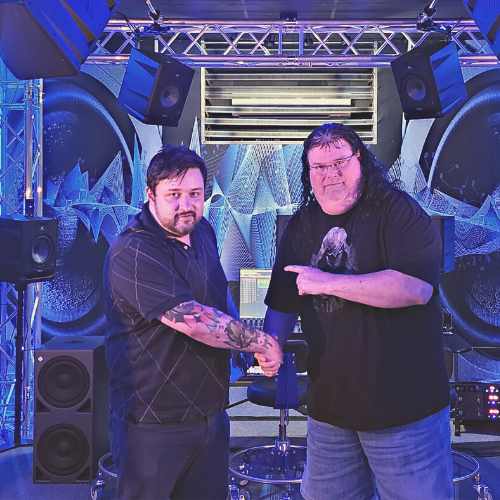
Collaboration in the studio is as essential as the harmony in a Beatles’ chorus. Fostering a tight-knit collaboration with sound engineers and producers can elevate a tune from good to ‘Grammy nominee’ great. Artists need tech gurus they can trust – individuals who can translate the singer’s vision into dials, buttons, and waveforms. It’s a dance of expertise, each step calculated and co-created. This synergy is the secret ingredient that transforms raw talent into polished masterpieces, where every note and nuance aligns perfectly. It’s not just about recording sounds but about capturing emotion, turning a good mix great and etching it into the hearts of listeners. When everyone contributes their unique expertise, the final track isn’t just heard – it’s felt. This creative chemistry not only enhances the music but also builds lasting professional relationships that often transcend the studio walls. In today’s digital age, sharing ideas doesn’t end with the final mix—exploring social media tips for producers can further help showcase their talent and connect with a wider audience. By synergizing artistry and technical finesse, this partnership can turn an ordinary session into something truly legendary.
As we crescendo from this section on additional tips for a resonant vocal recording, remember the small brushstrokes that make the big picture pop. These are what transform a recording from standard to spectacular, the subplots that support the storyline, ensuring every note is cradled in clarity and warmth.
Tuning into the session’s aftermath, it’s time to swap the recording hat for the white gloves of maintenance and care. After the last note has echoed through the studio, the careful calibration and upkeep of your gear ensure longevity and sound quality for future melodies. As we transcend the recording process and glide into the practical tips of microphone maintenance and care, bear in mind, a well-oiled machine doesn’t just run smoother—it also brings to the table reliability and a consistent level of that ever-sought-after vocal excellence.